


When you stroll through the cobbled streets of Lisbon or gaze out at the Atlantic from the Algarve’s dramatic cliffs, you’re standing on the shores of a nation that once led the world into uncharted waters. Portugal’s Age of Discovery, spanning the 15th and 16th centuries, was an extraordinary period when this small European country became the world’s first global maritime empire.
The Spirit of Exploration
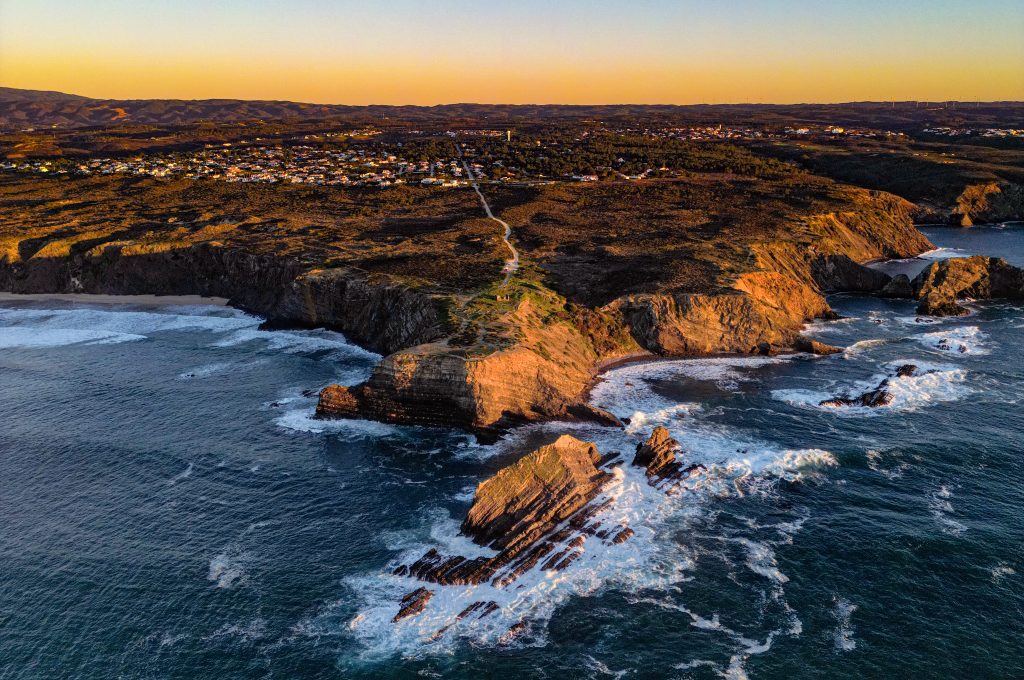
It began with Prince Henry the Navigator, who in the early 1400s established a navigation school at Sagres, perched on the windswept southwestern tip of Portugal and a short distance from Salema. Though Henry himself never embarked on voyages, his vision and patronage transformed Portugal into the era’s most innovative seafaring nation. Portuguese sailors pioneered new navigation techniques, improved ship designs and pushed ever further down the African coast, seeking routes to the riches of the East.
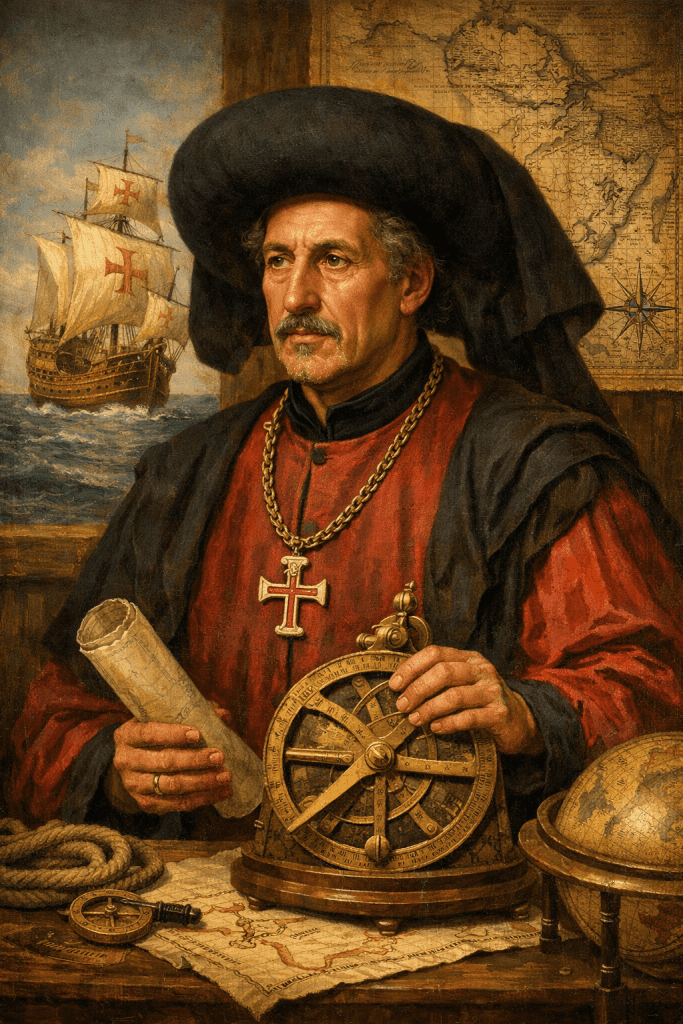
The spirit of saudade – that uniquely Portuguese sense of longing – seemed to drive these explorers. They left behind families and familiar shores, drawn by curiosity, ambition and the promise of discovery. Each expedition built upon the last, gradually expanding humanity’s understanding of the world.
Monuments to Maritime Glory
Today, Portugal’s Age of Discovery lives on in magnificent monuments scattered across the country. The Belém Tower in Lisbon, a UNESCO World Heritage site, once bid farewell to departing explorers and welcomed them home. Nearby, the Monument to the Discoveries features carved figures of the era’s great navigators, forever gazing toward the horizon.
These weren’t just explorers – they were cartographers, astronomers and scientists who revolutionised navigation. They developed the caravel, a nimble ship that could sail against the wind and refined the astrolabe for celestial navigation. Their portolan charts grew increasingly accurate with each voyage, mapping coastlines that Europeans had never imagined.
The Great Voyages
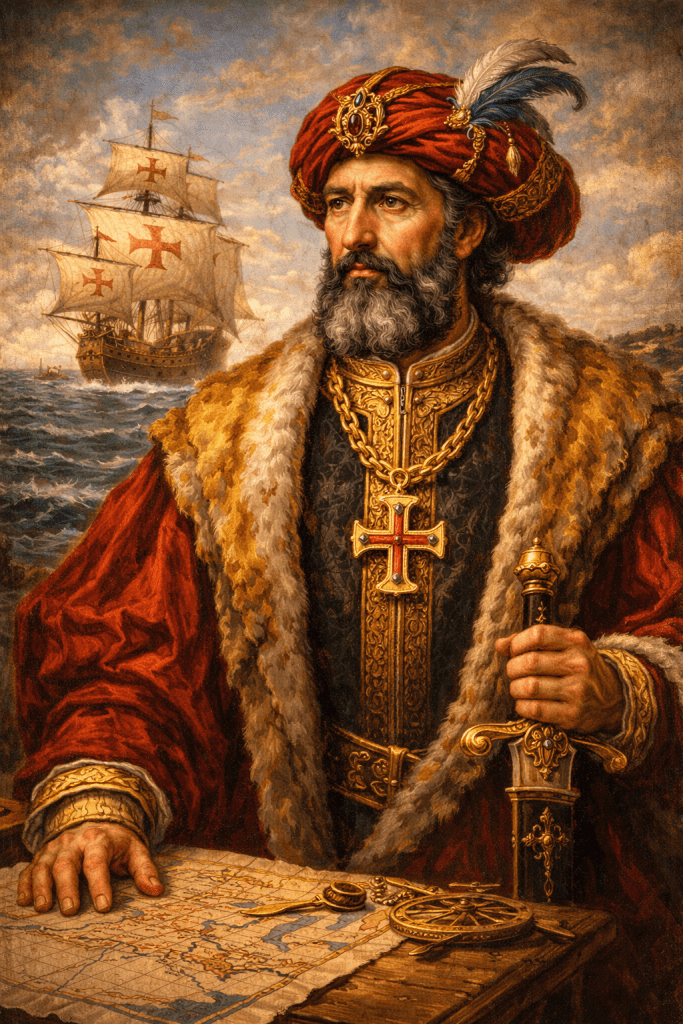
The achievements were staggering. Bartolomeu Dias rounded the Cape of Good Hope in 1488, proving that a sea route to India was possible. Vasco da Gama completed that journey in 1498, opening direct trade routes to Asia. Pedro Álvares Cabral claimed Brazil for Portugal in 1500. And Ferdinand Magellan, though Portuguese-born, led the first circumnavigation of the globe (completed by his crew after his death in the Philippines).
At its peak, Portugal controlled trading posts and territories from Brazil to Goa, from Macau to Mozambique. Spices, silk, gold and exotic goods flowed through Lisbon, transforming the city into one of Europe’s wealthiest capitals. The Portuguese language spread across continents, and today remains the official language of nine countries.
A Complex Legacy
This era of discovery was also one of conquest and colonisation, with profound and often devastating impacts on indigenous peoples around the world. The Portuguese established the Atlantic slave trade, and their colonial ambitions brought suffering alongside cultural exchange. Understanding this period requires acknowledging both the remarkable spirit of exploration and the heavy human cost of empire.
Experiencing Portugal’s Maritime Heritage Today
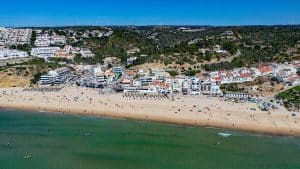
When you visit Salema in Portugal, this grand age of discovery is woven into the very fabric of the culture. You’ll taste it in the spices that still season Portuguese cuisine – legacies of those eastern trade routes. You’ll see it in the intricate azulejo tiles depicting naval scenes, in the rope motifs of Manueline architecture, and in the fishing villages, like Salema, where families still earn their living from the sea.
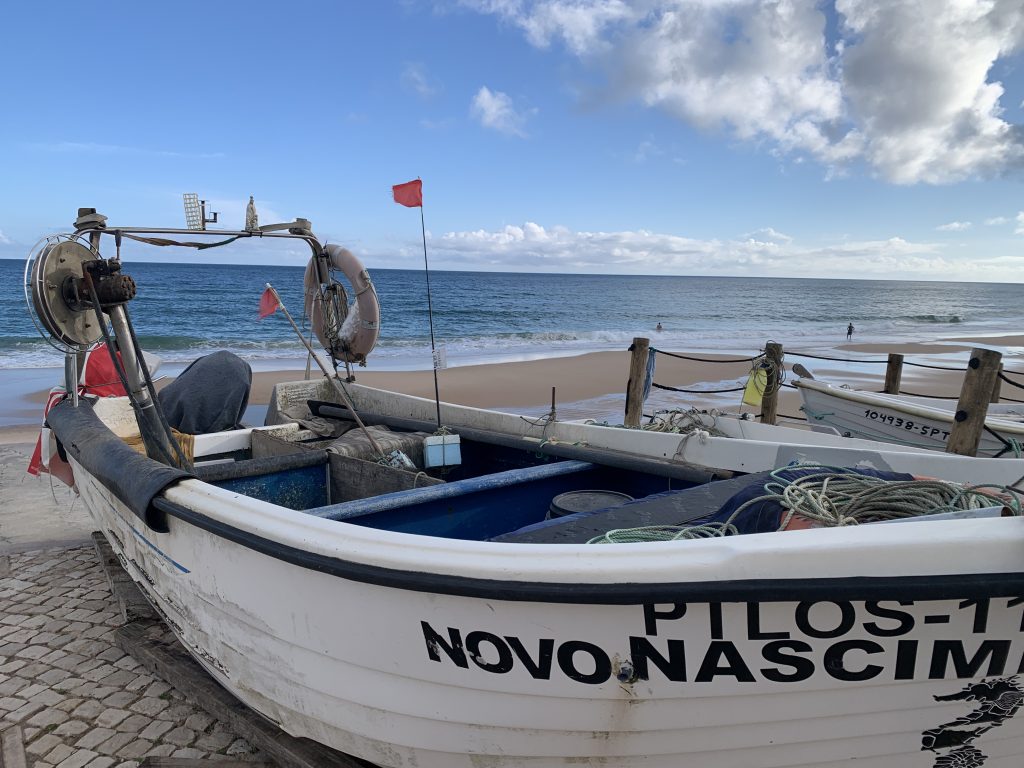
The Portuguese remain a people shaped by the ocean. That same adventurous spirit that sent caravels across unknown seas now welcomes travellers to explore Portugal’s rich history, from the fortress walls of Sagres to the maritime museums of Lisbon, from the port wine lodges of Porto (themselves a product of trade networks) to the beaches of the Algarve where Henry the Navigator once gazed toward Africa as he passed Salema.
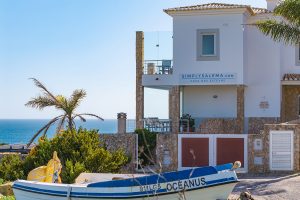
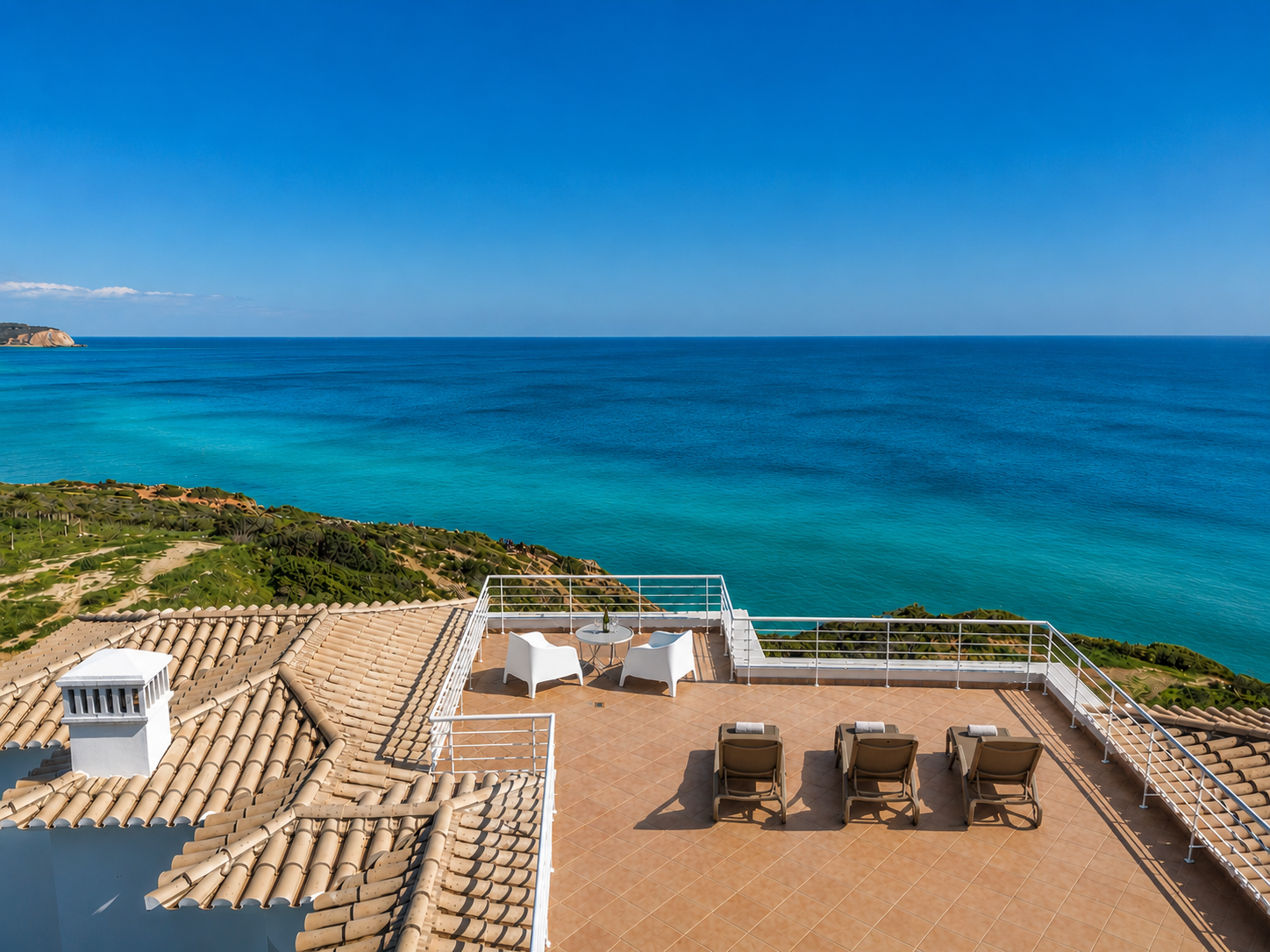
Portugal may be a small country, but for a brief, brilliant period, it stood at the centre of the world – and the monuments, traditions and stories of that era continue to make it an endlessly fascinating destination for modern-day explorers and those relaxing in our villa.
Discover the Portugal that discovered the world. Plan your journey through this land of explorers and dreamers.